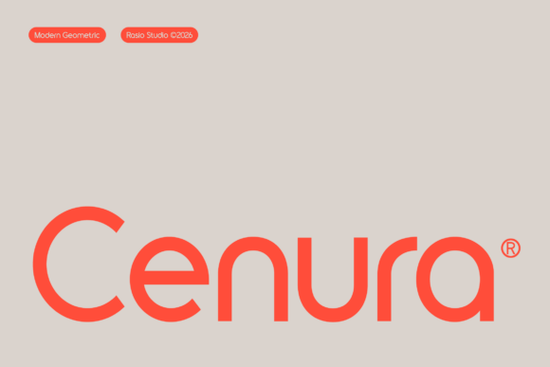
If you're looking for a clean, modern sans-serif font that works well for branding, product labels, or minimalist design projects, the Cenura Font is worth your attention. It’s designed with simplicity and visual balance in mind not flashy, but quietly confident. Think of it as the kind of typeface that feels at home on a sleek tech startup’s website header, a boutique architecture firm’s business card, or even high-end packaging for a small-batch skincare line. Its geometry is precise without feeling cold, and its spacing is thoughtfully tuned for readability at larger sizes.
What makes Cenura different from other geometric sans-serifs?
Unlike many modern fonts that lean heavily into sharp angles or exaggerated proportions, Cenura uses soft circular tracking meaning the spacing between letters flows smoothly, like connected dots while keeping vertical strokes crisp and consistent. That subtle contrast gives it personality without sacrificing professionalism. The uniform line weight helps it hold up well across print and digital use, especially over solid backgrounds or in tight layouts where clarity matters.
You’ll notice it doesn’t try to do everything. It’s not meant for long paragraphs of body text. Instead, it shines where impact and intention matter most: headlines, logos, signage, and short-form branding elements. If you’ve ever tried pairing a bold geometric font with a softer secondary typeface and struggled to get the tone just right Cenura often works beautifully alongside lighter, more organic options like Ocean Beach or Okaybro.
Who actually uses Cenura and why?
Small business owners building their first brand identity often choose Cenura because it reads as “established” without needing a big design budget. Print-on-demand sellers use it for minimalist t-shirt graphics, wall art prints, and enamel pin designs where clean lines translate well at small scales. Designers working with architectural or industrial clients appreciate how its structural rhythm echoes precision drafting or modern building facades.
It also pairs well with fonts that bring warmth or contrast. For example, if you’re designing a stationery suite and want something more expressive for quotes or taglines, Vorn offers gentle curvature and friendly openness making it a natural complement. Or if you need a versatile all-rounder for supporting text, Sugra provides clean legibility without competing visually.
How does it perform in real-world projects?
We’ve seen Cenura used successfully in several contexts:
- Product labeling: Its even weight and open spacing keep text legible on small packaging, especially when printed in one color on kraft paper or matte white stock.
- Digital interfaces: App designers use it for buttons and feature headers particularly in SaaS dashboards where clarity trumps ornamentation.
- Architectural signage: Laser-cut metal signs benefit from its strong vertical stems and balanced negative space.
- Luxury stationery: Letterpress or foil-stamped business cards show off its refined spacing and quiet confidence.
One thing to keep in mind: because it’s optimized for display use, avoid using Cenura below 16pt in print or 24px on screen unless you’re intentionally going for a very tight, stylized look. Its strength lies in presence not subtlety.
Where to find similar fonts (and when to consider alternatives)
If Cenura feels almost right but doesn’t quite match your project’s voice, it’s helpful to know what else is nearby in style and function. Cenura sits comfortably in the modern geometric sans-serif category but so do Sugra, Vorn, and Ocean Beach. Each handles rhythm and contrast a little differently. Sugra leans toward neutrality, Vorn adds gentle humanity, and Ocean Beach brings coastal ease all useful depending on whether your goal is authority, approachability, or lightness.
Before downloading or licensing, test Cenura with your actual copy. Try setting your brand name, a short slogan, and a product descriptor in it. Does it feel like a natural extension of your message or does it distract? Trust that instinct. Good typography supports meaning; it doesn’t override it.
Next step: Download a trial version, set three real phrases from your current project, and compare how Cenura looks next to two other fonts you already own or ones like Vorn and Ocean Beach. Notice how spacing, weight, and tone shift. That small test often tells you more than any description ever could.
Get Started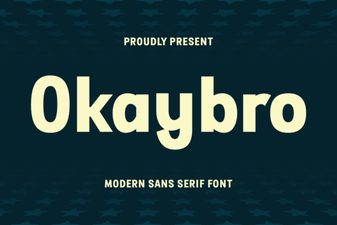 Okaybro Font Download & Design Inspiration Guide
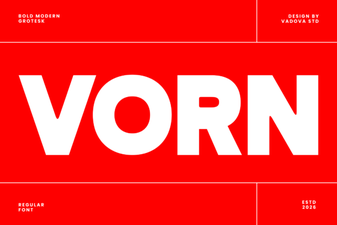 Vorn Font: Elegant Design for Modern Projects
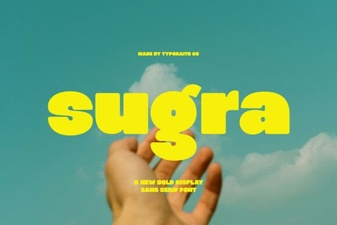 Sugra Font: Creative Projects & Design Ideas
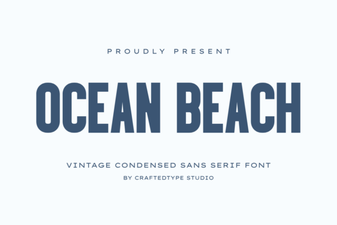 Ocean Beach Fonts: Design Tips & Creative Uses
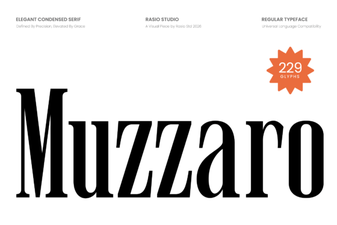 Muzzaro Font: Creative Design Projects
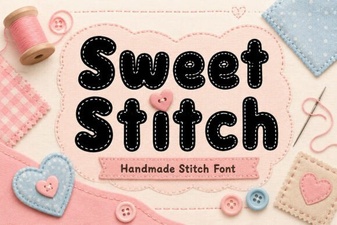 Sweet Stitch Font for Creative Diy Projects